February 13, 2026
Welding is one of those technologies that many people rarely think about, yet it quietly supports nearly every structure, machine, and product that modern life depends on. Whether it is the framework of a high-rise building, the chassis of a family vehicle, or the components inside industrial machinery, the joining of metal plays a profound and lasting role. By fusing materials through heat, pressure, or a combination of both, welding allows designers, engineers, and builders to create strong, durable connections that would otherwise be impossible. Understanding how it influences construction, manufacturing, and everyday consumer goods helps reveal why this skilled trade remains essential across countless industries.
Understanding the Foundations of Welding
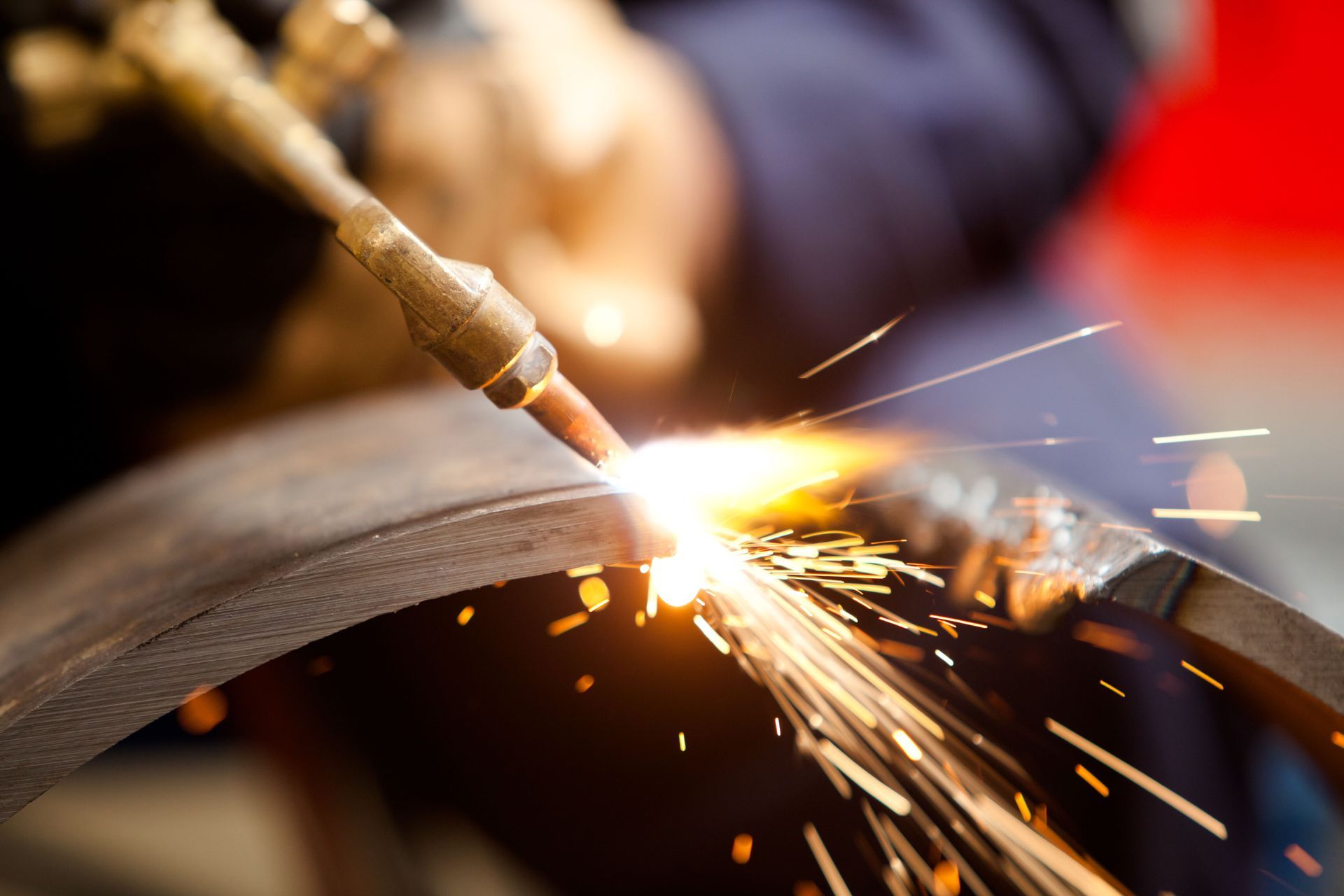
To appreciate how deeply welding shapes modern life, it helps to begin with what actually happens during the process. At its core, welding is about bonding materials at the molecular level. Unlike mechanical fasteners such as bolts or rivets, which simply hold pieces together, welding fuses them into one continuous structure. As the metals cool and solidify, they regain strength — often becoming even more resilient than before.
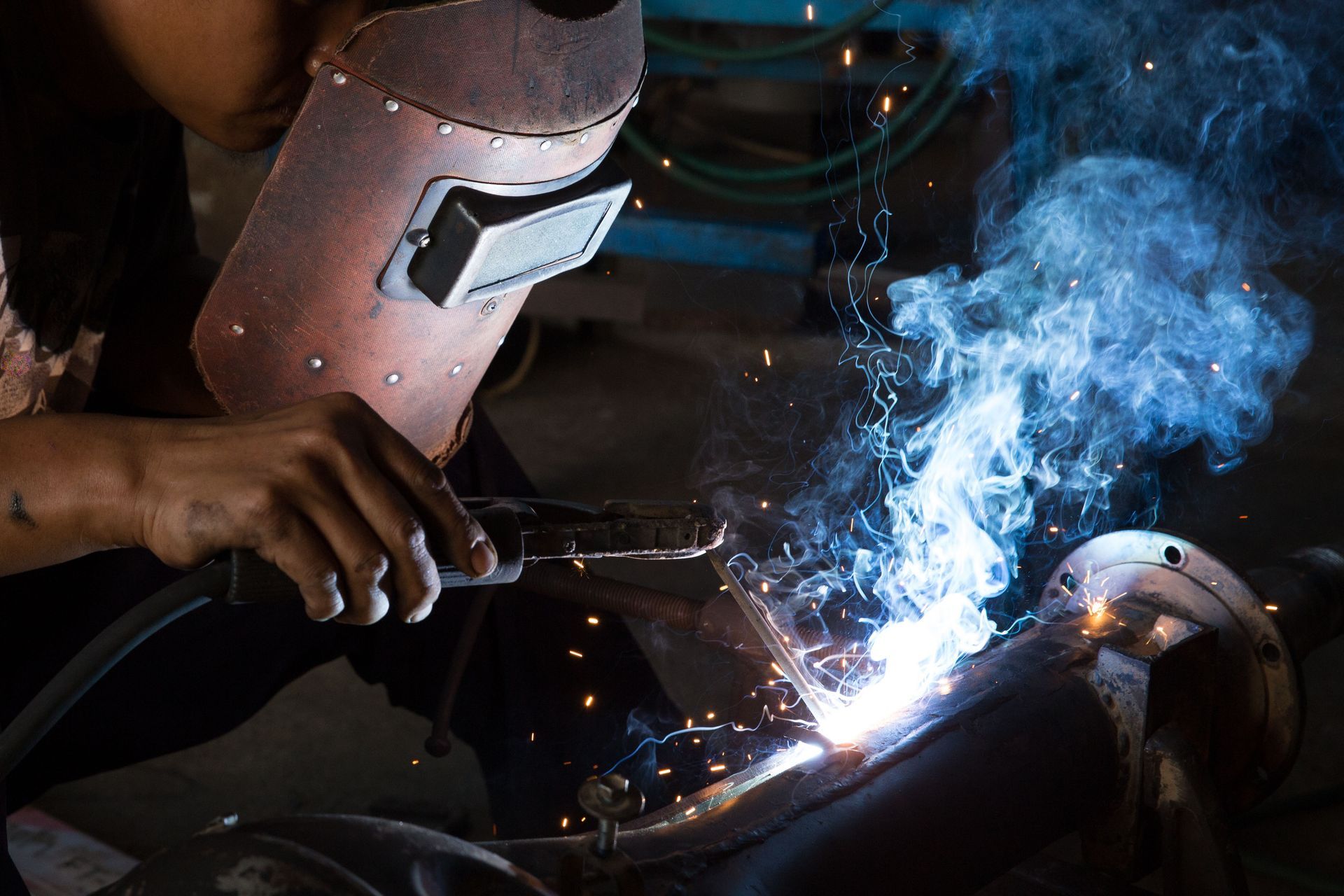
There are multiple welding techniques, each suited to specific materials and environments. Shielded metal arc welding is common on job sites because of its portability and ability to withstand windy conditions. Gas metal arc welding, often called MIG welding, is favored in manufacturing because it delivers consistent results and allows for fast production. TIG welding, known for precision, is frequently used in aerospace applications, artistic metalwork, and detailed repairs.
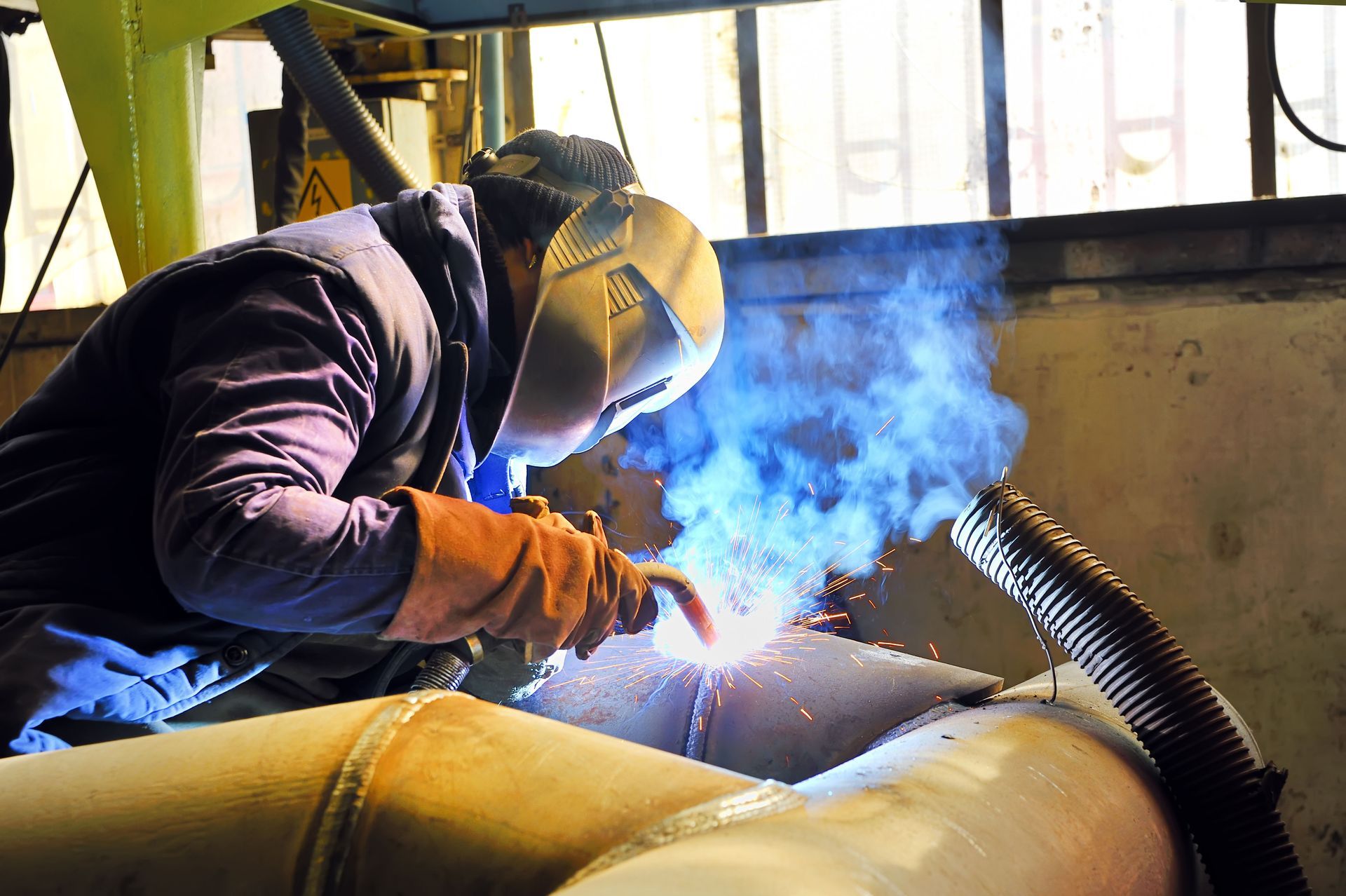
Training plays a critical role in determining whether a weld is reliable. Welders must understand metallurgy, heat control, safety protocols, and inspection standards. They wear protective clothing, eye shields, and helmets to guard against sparks, ultraviolet radiation, and hot slag. Their work requires both technical knowledge and hands-on craftsmanship — a combination that makes welding both an art and a science.
Supporting Modern Construction Through Welding
Every skyline, bridge, warehouse, and stadium tells a story of structural innovation, and welding is at the heart of it. Modern construction depends on steel frameworks that require strong, seamless joints capable of handling enormous stress. Without welded connections, buildings would need far more bulk to achieve the same level of strength, which would significantly increase cost and reduce design flexibility.
Welding allows architects to push boundaries. Curved beams, cantilevered elements, and slender yet strong supports all become possible because metals can be shaped and fused precisely where needed. Structural engineers rely on welds to transfer loads evenly, helping buildings withstand heavy use as well as environmental challenges such as wind, snow, and seismic activity.
Bridges provide another striking example. Whether crossing rivers, highways, or valleys, welded steel structures offer durability without excessive weight. Routine inspections and maintenance ensure that welds remain secure over time. Even infrastructure upgrades — reinforcing aging structures or adding new components — often depend on welding to integrate modern improvements safely into existing frameworks.
In residential construction, welding supports everything from stair railings and balcony frames to support beams and custom metal features. Homeowners may not see the welds after installation, but they benefit from the stability and longevity these connections provide. Simply put, welding enables construction projects to be safer, more efficient, and more creatively designed.
Driving Manufacturing Efficiency With Welding
Manufacturing relies on precision, repeatability, and speed. Welding plays a central role because it allows companies to join materials quickly while preserving strength and consistency. Assembly lines across industries use automated systems, robotic arms, and specialized welders to produce parts at a scale that manual methods could never match.
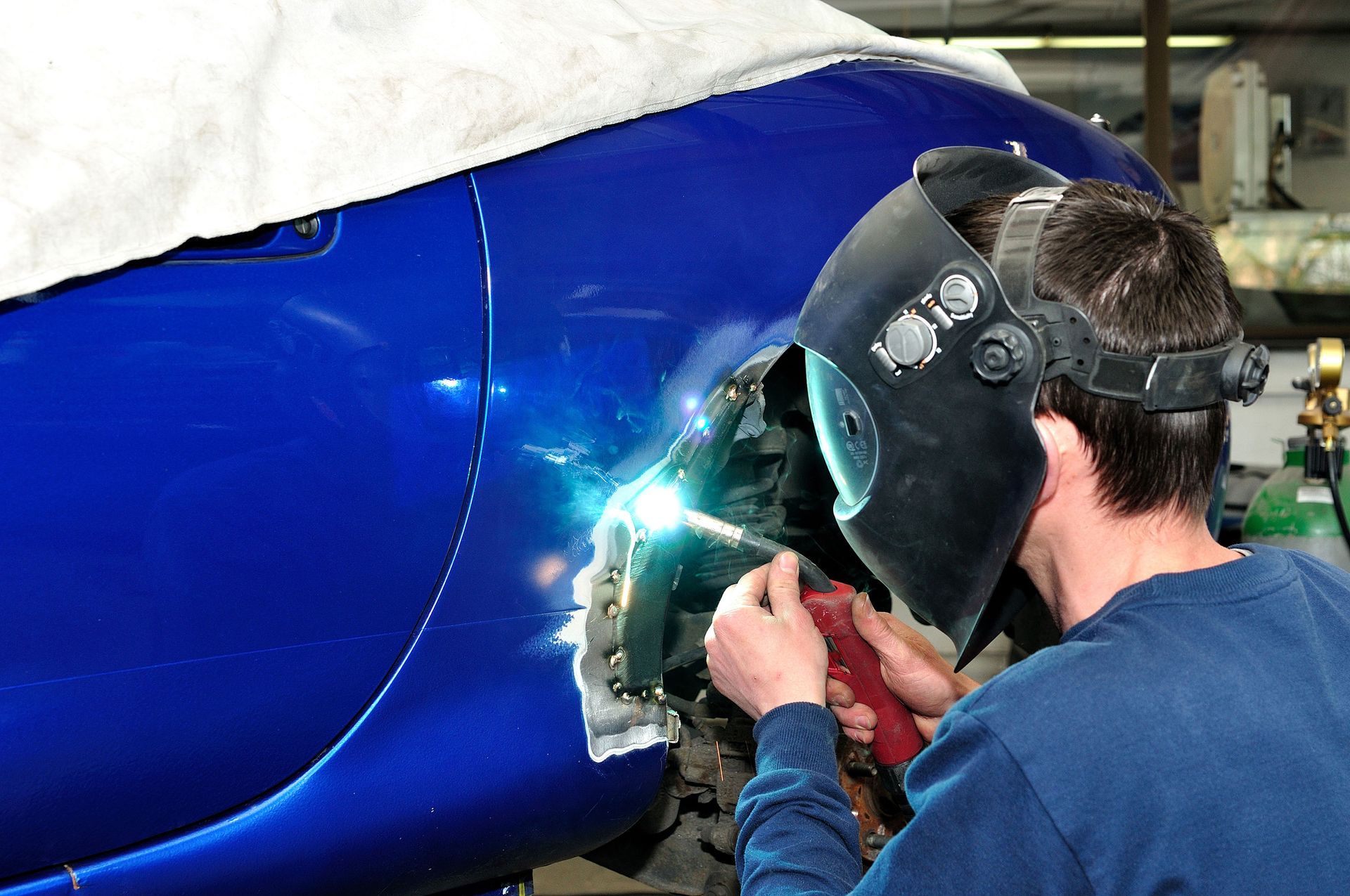
Automotive manufacturing is one of the most visible examples. Vehicle frames, exhaust systems, and engine components all depend on carefully executed welds. Each connection must withstand vibration, temperature changes, and years of wear. Automation ensures uniformity, while skilled technicians oversee quality control, programming, and maintenance.
In heavy equipment manufacturing — such as tractors, cranes, and industrial loaders — welding makes it possible to build machines capable of lifting tremendous loads and performing demanding tasks. Welded joints distribute stress efficiently across structural components, reducing the likelihood of catastrophic failure.
This manufacturing strength extends far beyond transportation and heavy machinery. Appliances, medical devices, agricultural tools, and even consumer electronics rely on welded components in different forms. As global demand for durable products grows, the need for dependable welding grows with it. According to Fortune Business Insights, the global welding market was valued at $23.75 billion in 2022. That figure reflects not only industrial activity but also the continued expansion of sectors that depend on strong, reliable metalwork.
Enhancing Everyday Products With Welding
Beyond factories and construction sites, welding quietly influences daily life in ways most people never notice. Kitchen appliances, outdoor grills, bicycles, lawn equipment, hand tools, and playground structures all use welded joints to stay sturdy and safe. Without welding, these items would require bulkier materials or entirely different designs to achieve comparable durability.
Furniture design also benefits from a welded framework. Metal bed frames, patio furniture, and office chairs depend on secure joints that withstand constant movement and pressure. In recreational settings, welded components make boating accessories, sports equipment, and trailers capable of handling rugged conditions.
Even artistic expression has a place in the world of welding. Sculptors, fabricators, and designers use the process to craft decorative features, public installations, and custom architectural elements. These creations blend technical discipline with creativity, illustrating how welding bridges the gap between utility and visual beauty.
Increasing Innovation and Sustainability With Welding
As industries evolve, welding continues to adapt. New technologies are making the process more efficient, more precise, and more environmentally responsible. Advanced welding systems use programmable controls to reduce material waste, improve accuracy, and conserve energy. Laser welding and friction stir welding, for example, produce strong joints with minimal heat distortion, which can extend the lifespan of components and reduce the need for repairs.
Sustainability initiatives also benefit from advances in welding. By allowing equipment to be repaired instead of replaced, welding reduces waste and supports a circular economy. Industrial recycling operations rely on welders to build and maintain processing equipment, while renewable energy projects — such as wind turbines, hydroelectric systems, and solar mounting structures — require expertly welded frameworks.
Education and workforce development play an equally important role in fostering innovation. Technical schools, apprenticeship programs, and on-the-job training continuously introduce new generations to welding. As experienced professionals pass down knowledge, they preserve best practices while encouraging fresh perspectives. The result is a trade that remains rooted in tradition yet open to emerging possibilities.
Strengthening Communities and Local Economies With Welding
Beyond its technical impact, welding contributes significantly to local economies. Welding companies support infrastructure projects, fabrication shops, maintenance services, and emergency repairs. Municipalities depend on welders to fix essential equipment, restore broken components, and keep public facilities operational. From repairing metal handrails to restoring damaged utility structures, welders provide solutions that maintain community safety and function.
Skilled welding professionals also create opportunities for small businesses. Custom fabrication shops serve contractors, homeowners, farmers, and industrial clients, offering personalized work that large manufacturers cannot always provide. Local welding services may build gates, modify trailers, fabricate storage racks, or design protective barriers tailored to specific needs.
Because welding combines problem-solving with craftsmanship, it attracts individuals who enjoy hands-on work and visible results. For many, it becomes a lifelong career with pathways into inspection, robotics programming, project management, or instruction. Communities benefit when these skilled professionals remain local, supporting growth through both service and mentorship. Call A & B Welding today to schedule your welding service or consultation.